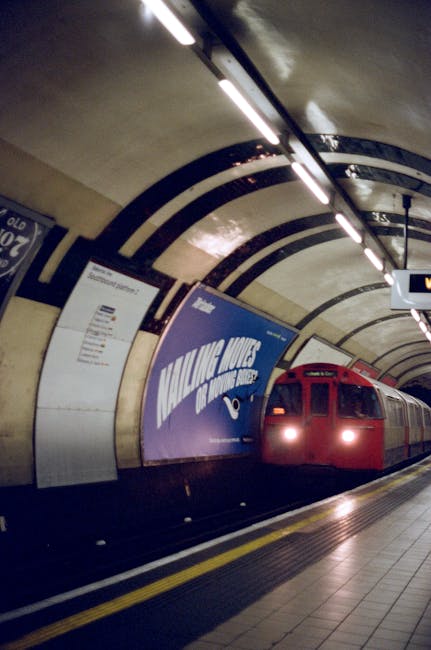
NW3 removals and parking tips for Belsize Park station moves
Moving near Belsize Park station can feel deceptively simple on a map and then, well, a bit fiddly in real life. Narrow streets, busy daytime traffic, tight kerb space, and the constant question of where the van is actually going to sit all matter more than people expect. If you are planning NW3 removals and parking tips for Belsize Park station moves, the difference between a smooth day and a stressful one usually comes down to preparation, timing, and knowing how local access works before the first box leaves the flat.
This guide breaks the move into sensible parts: why parking planning matters, how to organise loading near the station, what type of removal support fits different properties, and which mistakes cause the most headaches. You will also find a practical checklist, a comparison table, and realistic examples from the sort of NW3 move that turns up in everyday London life. Nothing dramatic. Just useful, grounded advice you can actually use.
Why NW3 removals and parking tips for Belsize Park station moves Matters
Belsize Park station moves are rarely about distance. They are about access. The lift is fine. The stairs are fine. The sofa, however, suddenly develops opinions. If the van cannot stop close enough, every extra metre adds time, labour, and risk. That is why parking planning matters so much in NW3 removals: it protects the move from avoidable delays and helps the team work safely.
In busy parts of NW3, even a small home move can be slowed down by double parking, blocked driveways, school run traffic, or a bay already occupied by another vehicle. A removal crew might be perfectly ready, but if the loading point is not sensible, the whole schedule bends around the street rather than the other way round. And let's face it, streets near a station rarely bend for anyone.
The other reason this matters is stress. When the van has a planned position and the route from front door to vehicle is thought through, everything feels calmer. Boxes go out in an orderly way, fragile items are protected, and nobody is standing in the road wondering where to put the wardrobe. That calm is not a luxury. It is what makes the day work.
If you are comparing services, it can help to look at practical support such as removals, home moves, or flat removals depending on the kind of property you are leaving. A good match between service and access requirements saves a surprising amount of effort.
How NW3 removals and parking tips for Belsize Park station moves Works
At a practical level, a station-area move works best when you think of it as a short logistics project. First, you assess the property. Then you identify where the van can stop, how long loading will take, and whether the building or street creates any pinch points. Only after that do you set the timing. Sounds obvious, but many people do this in reverse and hope the street will cooperate. It usually doesn't.
For Belsize Park station moves, the loading plan often includes three things:
- The shortest sensible walking route from the front door to the vehicle.
- The safest stopping point for the van, ideally without forcing workers or residents into traffic.
- A realistic time window that takes account of narrow roads, neighbours, and any lift or stair delays.
If you are using a smaller vehicle or need a more flexible option, a man with van style service can be useful for tighter access. For larger house contents, a moving truck or a more comprehensive crew may be the better fit. Truth be told, the best vehicle is the one that matches the access, not just the number of rooms.
Parking near a station move is usually a matter of minimising friction. That can mean unloading in stages, using one person to spot traffic, or placing heavier items close to the entrance so they are not dragged further than necessary. A sensible removal team will also think about building protection, stairwell corners, and whether furniture needs to be dismantled before the van even arrives.
Key Benefits and Practical Advantages
Good parking planning is not just about avoiding a ticket or a grumpy neighbour. It changes the whole shape of moving day. Here are the main benefits people notice.
- Faster loading and unloading. When the van is close, every item moves more quickly.
- Lower risk of damage. Fewer long carries mean fewer bumps against walls, railings, and door frames.
- Less physical strain. Anyone who has carried a chest of drawers half a street knows this one matters.
- Better control over timing. A move near a station often has to fit around peak traffic, building rules, or other deliveries.
- Cleaner coordination with neighbours and pedestrians. A tidy loading plan is simply easier on everyone.
There is also a financial angle. If parking is poorly planned, the move can take longer, which may increase labour time. Even when a fixed quote is in place, delays can still create stress or knock on into the rest of your day. For a clear idea of pricing structure and what factors influence it, it is worth reviewing pricing and quotes before you book.
Another practical benefit: when access is understood properly, you can choose the right extras. For example, if you are moving from a top-floor flat with no lift, packing and unpacking services or packing and boxes may be worth the investment because they reduce the time spent standing in the stairwell in a mildly chaotic pile of cardboard. Been there, seen it, not glamorous.
Who This Is For and When It Makes Sense
This kind of planning is useful for more people than you might expect. If your move involves Belsize Park station or the surrounding NW3 streets, it is worth thinking through parking and access from the start, even if the move itself is modest.
It is especially relevant if you are:
- moving out of a flat or maisonette with limited kerb access;
- relocating from a street that fills quickly with parked cars;
- moving large furniture, a piano, or awkward items;
- trying to complete the move in one visit instead of multiple trips;
- moving on a weekday when traffic near the station is likely to be heavier;
- coordinating around work, school, or building restrictions;
- booking a last-minute or same-day move where timing matters even more.
If your move is smaller and mostly involves boxes, a man and van or removal van may be enough. If it is a full family relocation, you may need a fuller house removals setup. Students, in particular, often benefit from a nimble approach because they are usually balancing budget, short notice, and a surprising number of bags that looked smaller in the bedroom.
For business moves, parking and loading decisions can be even more sensitive. If you are relocating a workspace close to the station, it helps to plan around staff access, documents, equipment, and any need to keep disruption low. In that case, commercial moves or office removals are more appropriate than a basic domestic move.
Step-by-Step Guidance
Here is the simple version. Not flashy, just effective.
- Walk the route before moving day. Check the front door, any stairs, the nearest sensible stopping point, and whether another vehicle would block the whole plan. If there is a tight corner or a narrow one-way street, note it early.
- Measure bulky items. Sofas, wardrobes, beds, and fridges cause most last-minute headaches. If something is awkwardly large, dismantle it in advance if possible. You do not want to discover on the day that the only way out is sideways and slightly heroic.
- Choose the right vehicle. A van that is too small means extra trips. A vehicle that is too large may create parking trouble. For many NW3 flats, a careful balance works best.
- Build a loading order. Put heavy, stable items in first and fragile items in last, or isolate them clearly if the team is doing professional loading. Good order saves time and confusion.
- Confirm timing with the crew. Early morning can be calmer near stations, but it is not always the right choice if neighbours are sensitive to noise or access is limited. Pick the slot that suits the street, not just your calendar.
- Prepare entry and exit points. Move shoes, mats, bins, and loose items out of the way. A clear path makes loading safer and quicker.
- Keep essential items separate. Documents, medications, chargers, snacks, and kettle essentials should not vanish into the last box. That first evening is easier when the basics are to hand.
If you need extra time between leaving one place and settling into the next, short-term storage can be a very sensible bridge. It gives you breathing space if dates do not line up neatly, which, to be fair, is common enough in London moves.
Expert Tips for Better Results
A few small adjustments can make a big difference near Belsize Park station. In our experience, the best moves are the ones where the details look almost boring. That is the goal.
1. Load the van as if the next hour may be awkward. Because it might be. Use blankets, straps, and stable stacking so the cargo does not shift if the vehicle has to stop and start in traffic.
2. Keep the loading point close but legal and sensible. The nearest space is not always the best space. A slightly further spot that allows safer loading is often the smarter choice, especially if pedestrians are passing frequently.
3. Protect the building before the first item moves. Floor runners, door protection, and a quick look at tight corners can prevent the sort of minor damage that turns into a major annoyance later.
4. Separate high-priority items. If you need beds assembled first or a child's cot available on arrival, say so before the day starts. It is a small thing, but it changes the whole evening.
5. Consider specialist handling for valuable items. A piano, for example, is not just "a heavy box with keys". It needs the right equipment and technique, which is why piano removals exist as a dedicated service rather than a hopeful one.
6. Ask about safety and insurance before booking. A reputable mover should be comfortable explaining how items are handled and protected. If something sounds vague, ask again. Better an extra question now than a regrettable wobble later. If you want more detail on this side of things, insurance and safety is worth a look.
Common Mistakes to Avoid
Most removal problems near station areas are not mysterious. They are usually ordinary mistakes repeated under pressure. The good news? Avoidable. Mostly.
- Ignoring parking until the morning of the move. By then, the good spaces may already be gone and the plan becomes reactive.
- Underestimating how long loading takes. Especially with stairs, long carry routes, or shared entrances.
- Booking the wrong type of vehicle. Too small means repeat journeys; too large may cause access issues.
- Forgetting about neighbours or building managers. A quick heads-up can prevent awkward confrontations in the hall or on the pavement.
- Packing fragile items poorly. The van may be parked perfectly, but a badly packed box still arrives damaged. Parking is only half the story.
- Not checking what needs dismantling. Wardrobes, beds, and desks often need more prep than people expect.
- Leaving utility and key handover timing too tight. A move near Belsize Park station can be swift, but even swift moves need a buffer.
One of the easiest mistakes to make is assuming the removal crew can "just sort the parking out". Sometimes they can work around it; sometimes they cannot. The better approach is to treat parking as part of the move, not a side issue.
Tools, Resources and Recommendations
You do not need fancy equipment to plan a good local move, but a few practical tools help.
- Basic measuring tape. Essential for doors, hallways, furniture, and vehicle fit.
- Notepad or phone notes. Write down parking observations, access times, and the order of items to move.
- Labels and marker pens. Keep boxes grouped by room and priority.
- Protective materials. Covers, blankets, tape, and bags for loose fittings.
- Sturdy gloves and sensible footwear. If you are doing any of the loading yourself, this is not the time for flimsy trainers and optimism.
For help choosing the right level of support, the website's removal services overview is a sensible starting point, especially if you are not sure whether you need a smaller team or a more full-service move. For people moving out of smaller homes or upper-floor properties, house removalists can also be a practical fit when the job needs more hands and experience.
If you are moving a smaller set of belongings or just a few pieces of furniture, consider furniture removals or furniture pick up instead of arranging a larger move than you really need. There is no prize for overcomplicating it.
Law, Compliance, Standards, or Best Practice
Parking and loading around a station move should always be handled with common-sense care and in line with local rules. In London, that means paying attention to signs, bay restrictions, yellow lines, access routes, and any building-specific rules that affect vehicle stopping or loading. The details vary by street, so it is wise not to assume a "normal" parking setup will work just because it worked somewhere else.
From a removals perspective, good practice usually includes:
- keeping access routes clear for residents and pedestrians;
- avoiding unsafe lifting or carrying over long distances when a safer setup is possible;
- protecting property during movement through shared areas;
- making sure the vehicle used is suitable for the access available;
- being upfront about fragile, valuable, or difficult items.
If you are dealing with a commercial property, there may be additional building rules, lift booking requirements, or site access procedures. That is one reason office relocation services can be a better fit than a generic move for business premises.
Best practice also includes transparent terms, secure payment handling, and clear complaint handling if something does go wrong. Those things are not exciting, admittedly, but they are part of a trustworthy service. If you want to review them, useful pages include terms and conditions and payment and security.
Options, Methods, or Comparison Table
Different move types suit different access and parking situations. Here is a simple comparison to help you choose.
| Option | Best for | Parking/access fit | Typical strength |
|---|---|---|---|
| Man and van | Smaller flats, a few rooms, light-to-moderate loads | Good where access is tight and quick loading matters | Flexible and cost-conscious |
| Removal van | Standard local domestic moves | Often a strong balance for NW3 streets | Practical for mixed loads |
| Moving truck | Larger homes or full-property moves | Needs more careful parking planning | Reduces repeat trips |
| Full removals team | Busy, complex, or higher-value moves | Works best when access is planned in advance | More hands, more control |
For students, the lighter end of the scale often makes sense. A student removals option can keep the day manageable when you are juggling deadlines, tenancy handovers, and more bags than you thought you owned.
If you are moving on a very compressed schedule, same day removals can be helpful, but only if access and parking are sensible enough to support a fast turnaround. Last-minute does not mean last-second. There is a difference, and it matters.
Case Study or Real-World Example
Picture a typical move near Belsize Park station: a two-bedroom flat, second floor, no lift, one large sofa, a dining table, a mattress, and a stack of boxes that seemed manageable on Monday and rather less manageable by Friday morning. The street is busy, the curb space is limited, and the window for loading is narrow because someone has to hand back keys by lunchtime.
The move works best when it is handled in layers. First, the mover checks the street and identifies a stopping point that will not block the route. Next, the heaviest items are taken first, with one person keeping an eye on the path and another managing the van. Boxes follow in grouped runs, with fragile items isolated and labelled. The sofa is wrapped before it leaves the flat because the hallway turns sharply near the stairs and there is no point pretending otherwise.
The difference between a smooth day and a messy one is not luck. It is those small decisions. Parking close enough. Packing early enough. Choosing a van that fits the reality of the street. It sounds simple, maybe even a bit dull, but that is exactly why it works.
A similar pattern applies if you are moving out of a home and have items that need temporary holding. In that case, a little storage can keep the day from turning into a scramble. A short pause often solves more than people expect.
Practical Checklist
Use this checklist before moving day. It is basic, but that is the point.
- Confirm the moving date and access times.
- Check where the van can stop safely and legally.
- Measure large furniture and key doorways.
- Decide what needs dismantling in advance.
- Label boxes by room and priority.
- Set aside essentials for the first night.
- Protect floors, corners, and doors where possible.
- Tell neighbours or building management if needed.
- Keep important documents and keys with you.
- Review the service level you need, whether that is home moves, flat removals, or a smaller man with van arrangement.
Quick expert summary: the best NW3 move near Belsize Park station is the one that treats parking, loading, and access as one single plan. If those three parts are aligned, the rest usually falls into place without drama. Not always perfectly, but well enough to keep the day moving.
If you want a more detailed look at who is behind the service, the about us page gives helpful background, while health and safety policy explains how the team approaches safe work. For reassurance on standards and responsibility, that combination is genuinely useful.
Conclusion
NW3 removals around Belsize Park station are easiest when you stop thinking of parking as an afterthought. In practice, parking, loading, vehicle choice, and access are the move. Get those parts right and the rest becomes much more manageable. Get them wrong and even a simple job can feel oddly exhausting.
That is why careful planning pays off. It saves time, reduces stress, protects your belongings, and makes life easier for everyone involved, including the people sharing the street with you. Small effort up front. Bigger calm on the day.
Get a free quote today and see how much you can save.
And if you are still at the "how on earth will this all fit?" stage, that is completely normal. Start with the access, keep the plan simple, and the rest gets a lot less scary once the first box is moving.
Frequently Asked Questions
What is the biggest challenge with removals near Belsize Park station?
The biggest challenge is usually parking and access, not the move itself. Narrow streets, limited stopping space, and busy traffic can slow loading if the van cannot get close enough.
Do I need a smaller vehicle for an NW3 flat move?
Not always, but smaller or more flexible vehicles are often easier where kerb space is tight. The right choice depends on the size of your load, the amount of furniture, and how close the van can reasonably stop.
How early should I plan parking for moving day?
As early as possible. Ideally, parking and access should be considered before you book the service, especially if you are moving from a street near the station where spaces can fill quickly.
Is a man and van enough for a Belsize Park move?
For smaller flats, fewer items, or short local moves, yes, often it is. For larger family homes or heavier furniture, you may need a fuller removals setup instead.
What if my building has no lift?
Then packing, loading order, and team size matter even more. You will want to keep the route clear and avoid unnecessary trips up and down stairs. A more experienced removals team can make a real difference here.
Can I use storage if my move-out and move-in dates do not match?
Yes. Storage is a sensible option if you need to bridge a gap between properties, declutter during a move, or keep certain items safe until the new place is ready.
Are piano or specialist items harder to move near the station?
They can be, mainly because they need careful handling and enough room to manoeuvre. Specialist items are best discussed in advance so the right equipment and approach are used.
Should I tell neighbours about the move?
If access is likely to affect shared entrances, parking, or the pavement, yes. A quick heads-up can prevent awkwardness and makes the day feel less disruptive all round.
What should I check before booking removals in NW3?
Check the service type, the crew size, the vehicle size, what is included in the quote, and how the team handles access and safety. It is also sensible to review payment and terms so there are no surprises later.
Is same-day removal a good idea for station-area moves?
It can be, but only if the property access and parking situation are straightforward enough to support a quick turnaround. If the street is awkward, a bit of lead time usually helps a lot.
What is the simplest way to reduce moving stress?
Keep the plan realistic. Measure bulky items, sort parking early, label boxes clearly, and choose the right type of move for the property. The less guesswork on the day, the calmer it feels.
Where can I learn more about the company and its standards?
The most useful starting points are the about page, health and safety information, insurance details, and pricing guidance. Those pages help you understand what to expect before you book.