Health and Safety Policy for Removal Companies Belsize Park
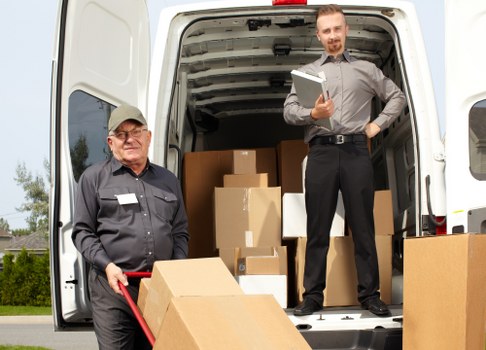 This health and safety policy sets out the standards expected from removal companies in Belsize Park when carrying out domestic and commercial relocations. Its purpose is to protect staff, customers, visitors, and members of the public from harm while ensuring every move is completed in a controlled, efficient, and compliant manner. A professional removals company must treat safety as a core responsibility, not an afterthought, and must promote a workplace culture where safe practices are consistently followed.
All operations should be planned with risk reduction in mind. That includes assessing properties, identifying potential hazards, choosing appropriate equipment, and assigning competent personnel to each task. Whether the work involves a small flat move, office relocation, or the transport of fragile items, the principles remain the same: prevent injury, protect property, and maintain safe working conditions. The company must ensure that each stage of the removal process is conducted with care, coordination, and proper supervision.
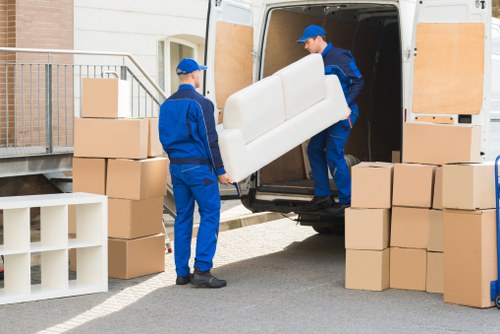 This policy applies to all employees, temporary workers, contractors, and anyone acting on behalf of the business. Every person involved in a house removal service or commercial relocation is expected to comply with safety procedures, report hazards promptly, and use equipment correctly. Management is responsible for making sure that arrangements are in place for training, monitoring, and review so that the policy remains effective and relevant.
Responsibilities and Safe Working Practices
Management must provide suitable instruction on lifting techniques, load securing, manual handling, and vehicle safety. Workers should never be asked to carry out duties beyond their capability or without the right equipment. A reliable moving company should supply trolleys, straps, blankets, gloves, and other protective tools where needed, and ensure that these items are maintained in safe condition. Personal protective equipment must be used whenever the task or environment requires it.
Before any move begins, a suitable and sufficient risk assessment should be completed. This assessment should consider stairs, tight corridors, uneven surfaces, parking arrangements, poor lighting, heavy or awkward items, and the presence of vulnerable individuals. For a professional removals team, planning is essential because every property presents different challenges. Identifying these risks early helps prevent slips, trips, strains, and damage to goods or premises.
 Manual handling remains one of the most significant risks in the removals sector. Employees must be trained to lift with correct posture, avoid twisting under load, and seek assistance for bulky or heavy items. Teams should work together when moving pianos, wardrobes, appliances, or archive boxes. A removal service should never prioritise speed over safety, because rushing increases the likelihood of accidents and injuries.
Vehicle, Equipment, and Site Safety
Vehicles used for removals must be roadworthy, insured, and inspected regularly. Loads should be balanced, secured, and within safe weight limits to prevent shifting during transit. Drivers must follow legal driving requirements and remain alert to fatigue, poor weather, and traffic conditions. In a house removals company, vehicle safety is a critical part of workplace safety because the transport stage is often where preventable incidents occur.
Equipment must be inspected before and after use. Faulty straps, damaged wheels, broken ramps, or unstable boxes should be removed from service immediately. Staff should never improvise with unsuitable tools or attempt risky shortcuts. The business should also maintain safe storage for equipment so that walkways, loading bays, and work areas remain clear. Good housekeeping is an essential part of any removals policy, since clutter and obstruction can lead to slips, trips, and falls.
When operating on client premises, workers must show consideration for the property and anyone present. Floors should be protected where necessary, doors opened and secured safely, and fragile surfaces handled with care.  The team should also remain alert to hazards such as exposed cables, wet surfaces, pets, children, or restricted access points. A Belsize Park removal company must uphold a high standard of conduct and ensure that safety standards are respected throughout the job.
Training, Incident Reporting, and Emergency Response
Training is a key part of maintaining safe operations. All staff should receive induction training and regular refresher sessions covering manual handling, safe vehicle loading, emergency procedures, and customer property protection. Supervisors should observe work practices and correct unsafe behaviour immediately. In a removals business, competence should be assessed regularly so that each worker understands the hazards associated with the role and knows how to respond appropriately.
Any accident, near miss, injury, or property damage incident must be reported without delay and recorded in the company’s internal system. Investigations should focus on identifying root causes and preventing recurrence, not assigning blame. Lessons learned should be shared with the wider team so that working methods can be improved. A responsible removal company policy treats incident reporting as a tool for continuous improvement and better risk control.
 Emergency arrangements must be in place for fire, serious injury, road traffic incidents, and other unforeseen events. Staff should know how to stop work safely, contact emergency services where necessary, and preserve the scene if an investigation is required. First aid provisions should be available where appropriate, and supervisors should understand how to respond calmly and effectively. By following this policy, removal companies can create a safer environment for workers, clients, and the public while delivering a dependable service.